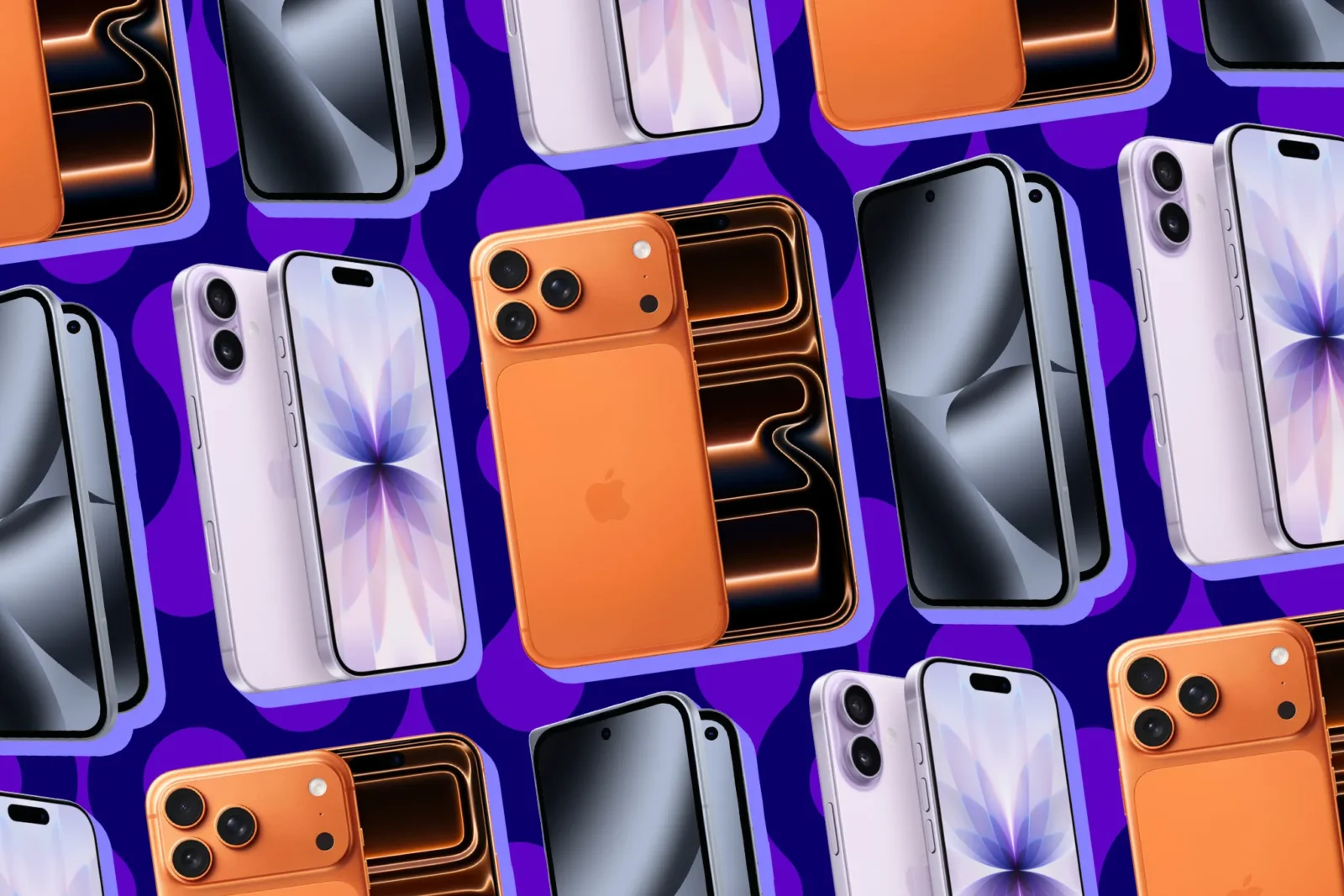
In 2025, the smartphone market delivered some of the strongest releases we’ve seen in years. From Apple’s new iPhone Air and the full iPhone 17 lineup to Samsung’s Galaxy S25 series and advanced foldables like the Motorola Razr Ultra and Galaxy Z Fold 7, manufacturers raised the bar across the board. The standout phones on this list offer all-day (or better) battery life, excellent cameras capable of capturing impressive photos, and bright, high-quality displays. While we test dozens of devices every year, only a select few earn a place among the best. Most recently, we evaluated Apple’s latest iPhone 17 range, including the standard iPhone 17, the ultra-thin iPhone Air, and the iPhone 17 Pro.
What Is the Best Phone for Most People?
Apple iPhone 17
The iPhone 17 stands out as the best phone for most people in 2026 because it delivers nearly all of Apple’s premium features without the premium price tag. Starting at $829 unlocked (or $799 with carrier activation), it closely mirrors the experience of the iPhone 17 Pro models while remaining far more accessible.
One of the most meaningful upgrades is the inclusion of a 1–120Hz variable refresh rate display, a feature that was previously exclusive to Pro iPhones. This results in smoother scrolling, improved responsiveness, support for the always-on display, and better power efficiency. The screen also reaches a peak brightness of 3,000 nits and uses an anti-reflective coating, making it much easier to view outdoors.
Although the iPhone 17 looks almost identical to last year’s iPhone 16, several internal improvements help it distinguish itself. Apple has upgraded the display protection to Ceramic Shield 2, which the company claims offers three times better scratch resistance. Storage also gets a welcome boost, with the iPhone 17 now starting at 256GB, doubling the base storage of the iPhone 16 and offering better long-term value.
Camera upgrades are a major highlight this year. The ultrawide camera jumps from 12 megapixels to 48 megapixels, delivering sharper wide shots and greater flexibility when cropping photos. The phone also supports advanced features like Dual Capture and Center Stage selfies, bringing Pro-level camera tools to Apple’s base model.
Battery life has improved as well. Apple claims the iPhone 17 delivers up to eight additional hours of video playback, and real-world testing supports that claim. In a three-hour video streaming test, the iPhone 17 dropped from 100% to 89%, outperforming the iPhone 16, which fell to 86% under identical conditions. Faster charging further enhances day-to-day usability.
On the software side, the iPhone 17 ships with iOS 26, introducing features such as Live Translation, Call Screening, and Apple’s redesigned Liquid Glass interface. Unlike previous generations, Apple has significantly narrowed the gap between its standard and Pro models. The iPhone 17 and iPhone 17 Pro now share nearly all core hardware and software features, with the main differences being the telephoto camera and larger batteries on the Pro models.
Overall, the iPhone 17 feels like Apple’s most stable phone yet, delivering top-tier performance, capable cameras, longer battery life, and a high-end display experience—without pushing users into Pro-level pricing.
YTB Score: ⭐ 9.1 / 10
Pros
- Smooth 1–120Hz display
- Significant camera upgrades
- Improved battery life
- Faster charging
Cons
- Minimal visual changes from iPhone 16
- Apple Intelligence features are still evolving
Best for:
Users who want a reliable, high-quality smartphone with great cameras, solid battery life, and a premium display in a manageable size.
Not ideal for:
Photography enthusiasts or power users who need a telephoto lens and maximum battery life. Those users should consider the iPhone 17 Pro or Pro Max. Light users may save money with the iPhone 16E.
Best Android Phone
Samsung Galaxy S25
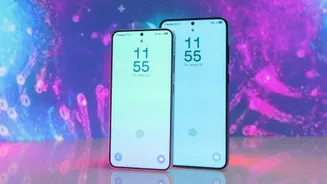
Samsung’s Galaxy S25 earns its place as the best Android phone for most users by delivering flagship-level performance at a lower cost than the Plus and Ultra models. It shares many features with the rest of the S25 lineup, making it a strong value choice.
Powered by a custom Snapdragon 8 Elite processor and paired with 12GB of RAM, the Galaxy S25 feels fast and responsive in daily use. Samsung’s expanding AI toolkit—including AI Select, Audio Eraser, and deeper Gemini integration—adds meaningful functionality rather than gimmicks. Camera performance remains consistent and reliable, while battery life continues to be one of the phone’s biggest strengths.
While the design doesn’t differ much from the Galaxy S24, the familiar look doesn’t detract from the overall polished experience.
YTB Score: ⭐ 9.1 / 10
Best for:
Android users who want a true flagship experience without paying Ultra-level prices.
Not ideal for:
Galaxy S24 owners, as the upgrades are relatively incremental.
Best Premium iPhone
iPhone 17 Pro & iPhone 17 Pro Max
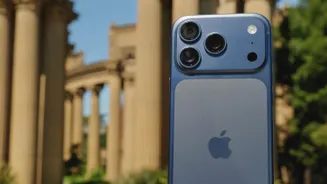
Apple’s iPhone 17 Pro and Pro Max are built for power users seeking the best cameras, longest battery life, and a bold new design. Pricing starts at $1,099 for the base Pro and $1,199 for the Pro Max.
The Pro Max delivers the best battery life Apple has ever achieved in an iPhone. Both models feature a redesigned camera system with 48-megapixel sensors across all rear lenses, including a new 4x telephoto lens that improves detail and portrait performance. The upgraded Center Stage selfie camera allows landscape selfies even when holding the phone vertically.
A redesigned full-width camera bar and vibrant color options mark a clear departure from Apple’s previously understated Pro aesthetic.
YTB Score: ⭐ 9.2 / 10
Best for:
Users upgrading from an iPhone 14 Pro or older who want top-tier performance, photography, and battery life.
Not ideal for:
Recent Pro users or buyers on a tighter budget.
Best Flip Phone
Motorola Razr Ultra
The Motorola Razr Ultra is the most refined flip phone currently available, combining premium materials, strong performance, and excellent battery life. It features a large, bright foldable display and a highly functional cover screen that enhances everyday interactions.
However, its $1,300 price tag limits its value appeal. Camera performance is decent but struggles with motion, and Motorola only promises three years of major software updates.
YTB Score: ⭐ 8.3 / 10
Best for:
Users who want a stylish, high-end foldable flip phone and are willing to pay a premium.
Not ideal for:
Anyone unsure about foldables or frequently exposed to dust and fine debris.
Best Foldable Phone
Samsung Galaxy Z Fold 7
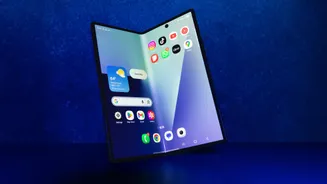
The Galaxy Z Fold 7 is Samsung’s most polished book-style foldable yet. Its thinner 4.2mm design, wider 6.5-inch cover display, and expansive 8-inch inner screen make it feel like a normal phone when closed and a tablet when open.
The addition of a 200-megapixel main camera brings image quality closer to Samsung’s Ultra lineup, while the Snapdragon 8 Elite ensures smooth multitasking and AI-powered features. Samsung also commits to seven years of software and security updates, adding long-term value.
The biggest drawback remains the $2,000 price tag, limiting its appeal to a niche audience.
YTB Score: ⭐ 8.5 / 10
Best for:
Users who want a large, immersive display for multitasking and media without sacrificing camera quality.
Not ideal for:
Anyone who doesn’t need a large screen or isn’t comfortable paying a premium for foldable tech.
Ultimate Jack-of-All-Trades Android Phone
Google Pixel 10 Pro & Pixel 10 Pro XL
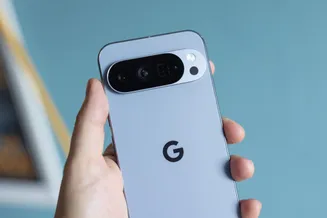
Google’s Pixel 10 Pro lineup refines the Pixel formula rather than reinventing it. The Tensor G5 processor may not top performance charts, but it delivers more than enough power for everyday tasks, multitasking, and photography-focused workflows.
Where the Pixel shines is imaging. Google’s camera system remains one of the most reliable in Android, supported by AI-powered Super Res Zoom that performs impressively even at high zoom levels. Add thoughtful AI features and long-term software support, and the Pixel 10 Pro series earns its flagship status without relying on raw specs alone.
YTB Score: ⭐ 8.5 / 10
Pros
- Long-term software and security updates
- Excellent camera performance
- Super Res Zoom is genuinely useful
- Thoughtful AI features
Cons
- Tensor G5 lags behind Snapdragon rivals in raw power
- Some AI tools work best within Google’s ecosystem
- Occasional over-processed images
Best for:
Users who want a smooth, dependable Android experience with excellent cameras and smart AI features that work quietly in the background.
Not ideal for:
Hardcore mobile gamers seeking maximum frame rates and peak performance.
Best Premium Android Phone
Samsung Galaxy S25 Ultra
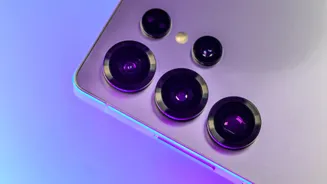
The Samsung Galaxy S25 Ultra is Android at its most ambitious. It packs the best smartphone display available today, an incredibly versatile camera system, and the most powerful processor Samsung has ever shipped. Powered by the Snapdragon 8 Elite, the S25 Ultra delivers unmatched performance for gaming, photography, and professional-grade video capture.
Samsung retains what worked from the S24 Ultra—including the anti-reflective display—while expanding its camera capabilities and pro video tools, such as Log recording, which pushes it closer to Apple’s Pro video dominance. That said, not all AI features land perfectly, and the $1,300 price tag remains a significant barrier.
YTB Score: ⭐ 9.2 / 10
Pros
- Best display on any smartphone
- Extremely versatile camera system
- Class-leading performance
- Solid battery life
Cons
- Expensive
- Minimalist design won’t appeal to everyone
- Some AI features feel inconsistent
- Cheaper S25 models offer similar core functionality
Best for:
Power users who want the absolute best screen, cameras, performance, and S Pen support.
Not ideal for:
Most users—who will be better served by the Galaxy S25 or S25 Plus at a much lower price.\
Best Android Phone Value
Google Pixel 9A
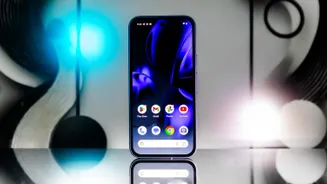
The Pixel 9A proves that you don’t need to spend flagship money to get a great smartphone. Priced at $499, it delivers a bright display, dependable cameras, a refined design, and Google’s growing AI toolkit—making it one of the strongest value picks of the year.
While compromises exist—such as average battery life and the absence of satellite emergency connectivity—the Pixel 9A smartly prioritizes features that matter most to everyday users. For the price, it punches far above its weight.
YTB Score: ⭐ 8.8 / 10
Pros
- Bright, vibrant display
- Reliable cameras for the price
- Solid build quality
- Under-$500 pricing
Cons
- Battery life is adequate, not exceptional
- Processor longevity remains a question
- No satellite emergency texting
Best for:
Anyone who wants most flagship features at nearly half the cost.
Not ideal for:
Users seeking top-tier performance or cutting-edge camera systems.
Best iPhone (Value Alternative)
Apple iPhone 16 & iPhone 16 Plus
While the iPhone 17 takes the crown, the iPhone 16 and 16 Plus remain strong alternatives—especially at discounted prices. They deliver excellent cameras, refined design, and Apple’s long-term software support, making them reliable and future-proof choices.
However, missing features like an always-on display and unchanged wired charging speeds prevent them from feeling truly modern compared to newer models.
YTB Score: ⭐ 8.0 / 10
Best for:
Users upgrading from an iPhone 13 or older who want a reliable Apple experience without paying Pro prices.
Not ideal for:
Anyone expecting major innovation or premium display features.
Most Durable Foldable Phone
Google Pixel 10 Pro Fold
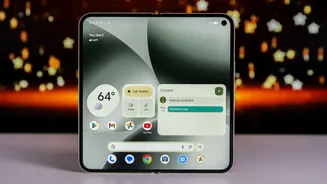
The Pixel 10 Pro Fold prioritizes durability and usability over extreme thinness. While it looks similar to its predecessor, it improves where it matters—battery life, reliability, and functionality. Most notably, it boasts an IP68 rating, a rare and impressive feat for a foldable phone.
Camera quality is solid but trails Google’s non-folding Pro models, especially in zoom performance.
YTB Score: ⭐ 8.3 / 10
Best for:
Users who want a reliable foldable with strong durability and practical multitasking.
Not ideal for:
Photography enthusiasts who want Google’s best camera hardware.
Best Samsung Flip Phone
Samsung Galaxy Z Flip 7
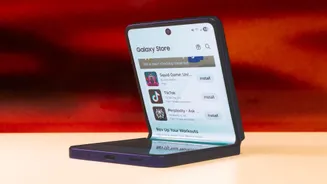
The Galaxy Z Flip 7 represents Samsung’s most refined clamshell foldable yet. With a larger 6.9-inch inner display, a bigger 4.1-inch cover screen, slimmer design, and improved durability, it’s the most immersive Flip phone to date.
Battery life remains its biggest weakness—it’s good enough for a day but doesn’t improve meaningfully over last year’s model.
YTB Score: ⭐ 8.3 / 10
Best for:
Users who love foldables and want a compact phone with a massive display when opened.
Not ideal for:
People frequently exposed to dust, sand, or harsh environments.
Best Bang-for-Your-Buck Android Phone
Google Pixel 10
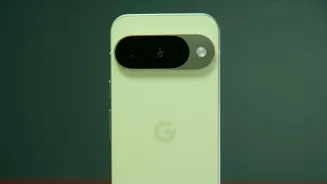
At $799, the Pixel 10 delivers features typically reserved for Pro models, including a 5x telephoto camera, long battery life, and Google’s latest AI tools. With seven years of software support, it’s a dependable long-term investment.
YTB Score: ⭐ 8.7 / 10
Best for:
Casual photographers and users who want a reliable phone with modern AI features.
Not ideal for:
Pixel 8 or 9 owners, or users seeking professional-grade cameras.
Best Galaxy S25 Ultra Alternative
Samsung Galaxy S25 Plus
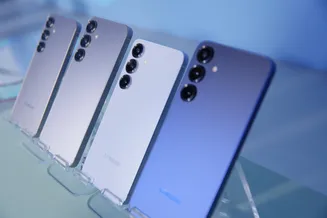
The Galaxy S25 Plus fills the gap between the baseline S25 and the Ultra. It offers a larger screen and bigger battery while retaining the same processing power and AI features. However, its $200 premium over the S25 may be hard to justify given the limited upgrades.
YTB Score: ⭐ 9.1 / 10
Best for:
Users who want a larger display without paying Ultra prices.
Not ideal for:
Camera-focused buyers or anyone considering phones in the $1,000 range with superior photography.












Leave a comment